SDR Training: The Complete Onboarding Playbook for Sales Teams

Training an SDR takes about 3 months on average, but a structured 8-week program with a 30-60-90 milestone plan cuts that significantly. Front-load product and ICP knowledge, dedicate full days to each call skill (openers, discovery, objections), get reps on real calls by Week 2, and use AI practice tools to accelerate repetition without consuming manager time.
Most SDR onboarding programs take 3-6 months before reps are truly productive. That's too long. According to The Bridge Group Report, the average SDR ramp-up time is 3.1 months, but companies with structured programs see 50% faster ramp times and 40% better new hire retention.
Get the structure right and you can cut ramp time while building skills that stick. This playbook covers what to teach, when to teach it, and how to make it hold up on real calls.
The Fastest Way to Become a Cold Calling Pro
Why Most SDR Onboarding Fails
The average tenure for an SDR is only about 14 months. According to TaskDrive's research, only 4% of SDRs make it through the first 6 months at a company. When ramp times stretch from 60 days to 120 days, you're paying a salary for non-performance.
Most programs fail for three reasons:
- Too much theory, not enough practice. Reps get product decks and watch videos but never handle a live objection until they're on real calls.
- No structured milestones. New hires don't know what "good" looks like at week 2 vs. week 6.
- Manager bandwidth. Busy managers can't sit through every roleplay session.
According to The Bridge Group, proper training and development keeps 86% of millennials from leaving their current position. Investing in onboarding pays dividends in retention.
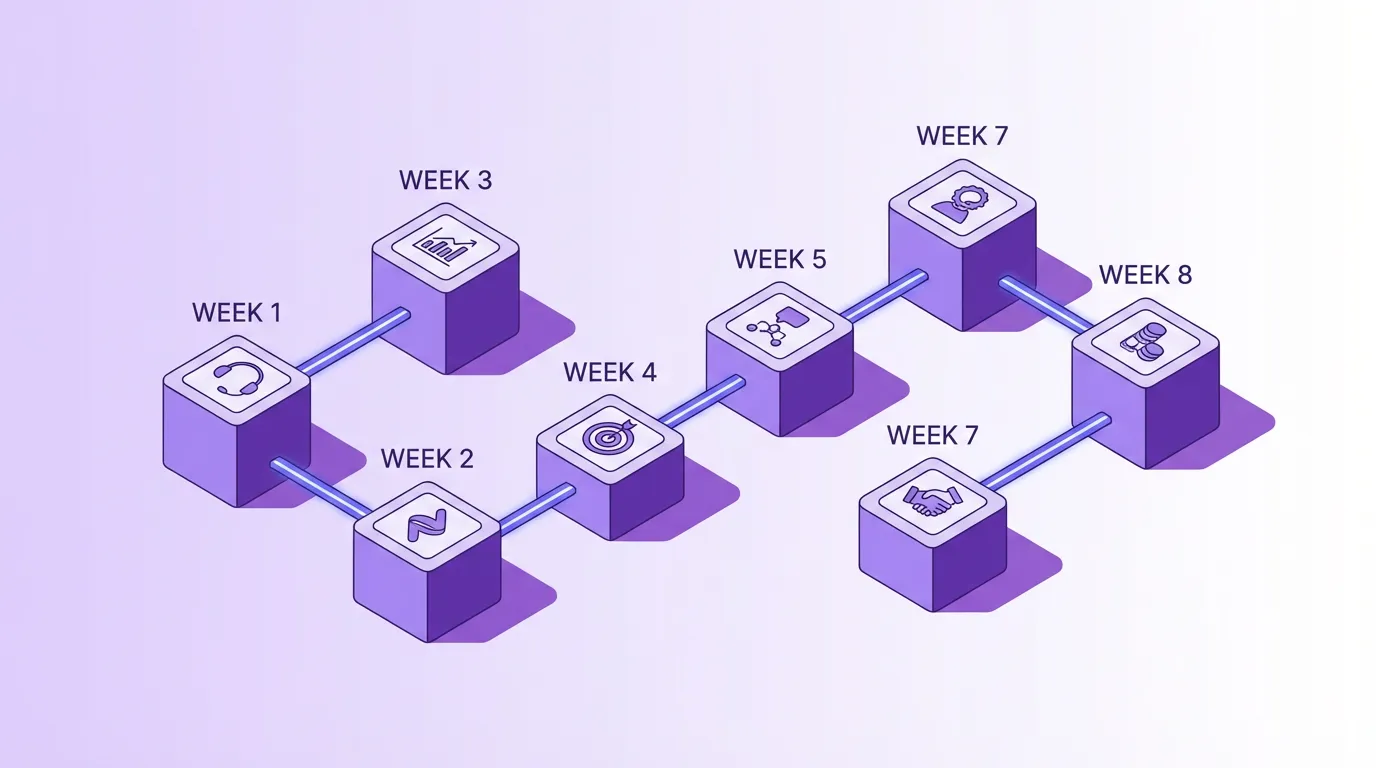
Week 1-2: Foundation
Product Knowledge
New reps need to understand what they're selling, but they don't need to know every feature. According to LeadIQ's research, the first week should focus on essential knowledge, not exhaustive documentation.
Focus on:
- The top 3 problems your product solves
- Who your ideal customer is (title, company size, industry)
- The 2-3 most common use cases
- How customers describe the value (not how marketing describes it)
Vouris's research shows that mindset training is the most important topic on day 1: what their sales mindset should be, how that fits into the sales process, and the tone your business takes with its messaging.
ICP and Persona Training
Before making calls, reps need to understand who they're calling. This is empathy, not just demographics.
- What does a typical day look like for your buyer?
- What pressures and metrics do they face?
- What language do they use to describe their problems?
- Who else is involved in buying decisions?
Tool Setup and Pre-boarding
Reply.io's research emphasizes that effective onboarding begins before the new hire starts. Send prep materials a week before day one:
- CRM navigation and data entry
- Dialer setup and call dispositions
- Sequence/cadence tools
- Cold call practice tools for ongoing skill development
Get tool access set up before they arrive so day one is about learning, not IT troubleshooting.
Week 3-4: Skill Building
Cold Calling Fundamentals
This is where most programs fall short. They give reps a script and send them to the phones. GTMnow's research shows this is backwards. Get SDRs on the phone talking to actual leads before the end of their first week to get the first failure out of the way.
But before live calls, structure skill building like this:
Day 1-2: Opener practice Have reps practice their opener 20+ times with a cold call simulator. They should be able to deliver it naturally, without reading, adjusting tone and pace for different scenarios.
See our guide on cold call opening lines for specific frameworks to practice.
Day 3-4: Discovery practice Run through discovery call scenarios. Score reps on:
- Number of open-ended questions asked
- How well they uncovered pain
- Whether they identified decision makers
- If they established clear next steps
Day 5: Objection handling Practice the top 5 objections your team faces. Each rep should handle each objection at least 5 times until responses feel natural. Use the LAER framework from our objection handling guide, and see our complete list of 25 common sales objections for scripts to handle each one.
Email and Sequence Writing
Cold calling is part of a multi-touch approach. Martal Group research shows that teams using coordinated sequences (calls, emails, LinkedIn) see up to 37% more conversions compared to single-channel efforts.
Teach reps to:
- Write concise, personalized first-touch emails
- Build sequences that alternate channels
- Follow up without being annoying
- Connect calls to email context
Script Development
Don't just hand reps a script. Have them build their own. Josh Braun's approach teaches that "the joy of cold calling happens when you realize you're not for everyone." Scripts should feel like the rep's own words, not something handed down from management.
Use our cold call script templates as starting frameworks, or see our complete cold call script guide for 12 detailed templates covering every scenario.
Week 5-6: Live Calling with Support
Get on the Phone Early
GTMnow's research is clear: get SDRs on real calls in Week 2 at the latest. It gets the first failure out of the way and biases them towards action. Objection handling is one of the most important skills they'll develop, and they can't develop it without real conversations.
Supervised Dial Sessions
Pair new reps with experienced reps for call blocks:
- New rep dials while experienced rep listens
- Debrief after every 5 calls
- Focus on one improvement per session
- Track scores and progress
Momentum's research shows that pairing a new hire with an experienced SDR mentor provides tactical tips, builds team cohesion, and transforms onboarding from a solitary task list to a collaborative journey.
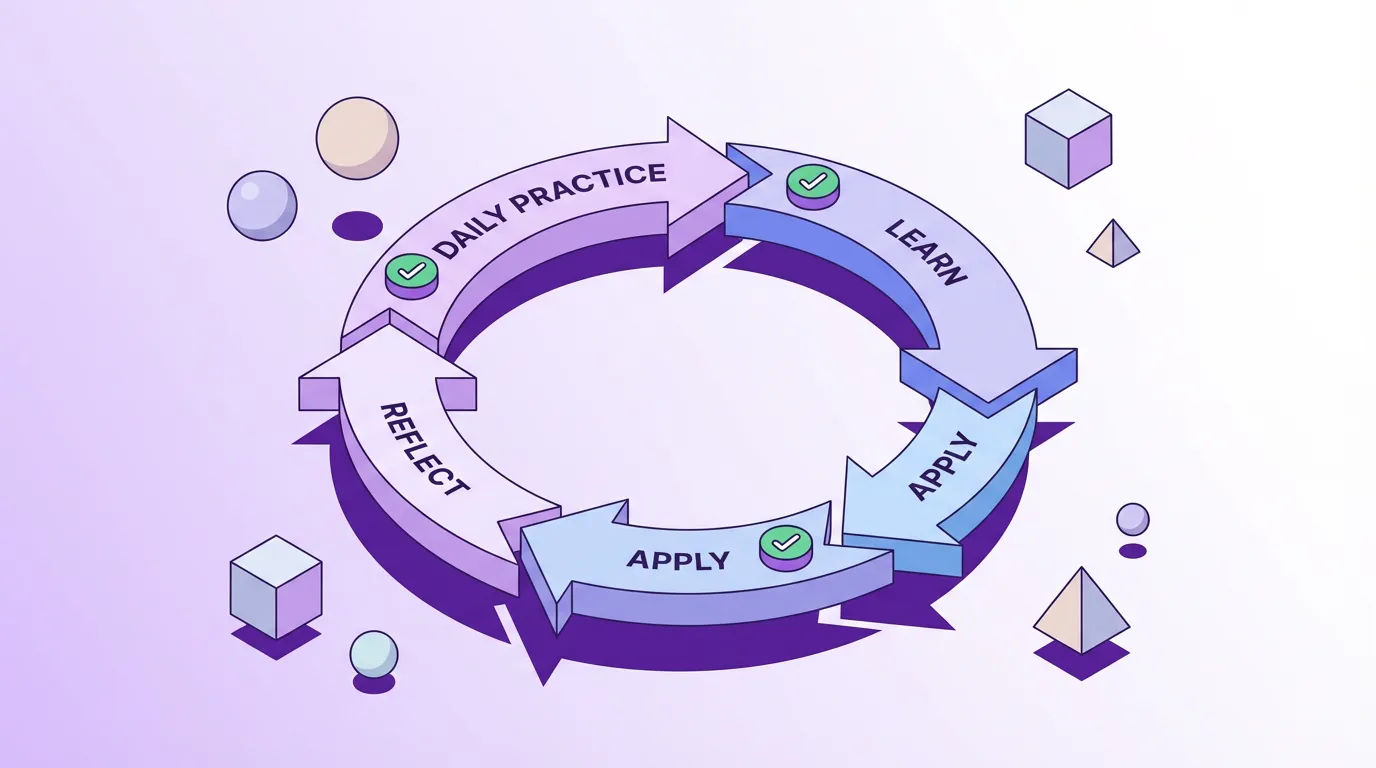
Daily Practice Routine
Establish a habit that sticks beyond onboarding:
- Before call blocks: 2-3 practice calls to warm up using an AI simulator
- After call blocks: Review scores from practice and real calls
- Weekly: Practice handling the objection that gave you the most trouble
ZoomInfo's revamped SDR training program launched their SDR Academy in January 2022. Within a month, sales reps were doubling or tripling weekly calls and booking nearly twice as many meetings.
Week 7-8: Independence
Metrics Tracking
By now, reps should track and own their numbers:
| Metric | Why It Matters |
|---|---|
| Dials per day | Activity baseline |
| Connect rate | List quality and timing |
| Conversations to meetings | Skill effectiveness |
| Most common objections | Areas for practice |
| Call scores | Quality improvement |
The 30-60-90 Framework
The Point Company's research recommends creating 30, 60, and 90 day plans with individual milestones and specific dates. This keeps new hires on track and prevents overwhelm.
30 days: Product knowledge complete, first live calls made, initial meetings booked 60 days: Consistent daily calling, handling common objections confidently, 50% of quota 90 days: Fully ramped, hitting 100% of quota, coaching peers on specific skills
Ongoing Development
Training shouldn't stop after onboarding. Build a culture of continuous improvement:
- Weekly team call reviews where reps share wins and challenges
- Monthly skill-building sessions on specific topics
- Regular practice with cold call simulators
- Peer coaching and script sharing
- Manager 1:1s focused on skill development, not just pipeline reviews
How AI Practice Accelerates Ramp
Traditional roleplay has two problems: it takes manager time, and it doesn't feel real. AI cold call simulators solve both.
According to Martal Group's research, AI call analysis and coaching tools can improve success rates by approximately 50%. The feedback loop speeds up improvement.
New reps can practice 50 calls in a single afternoon and get scored after each one. Managers review scorecards instead of sitting through every roleplay. Reps who were nervous on day one are confident by week three.
Benefits of AI practice for SDR training:
- Unlimited repetitions. No need to coordinate schedules with managers.
- Consistent feedback. Scored on the same criteria every time.
- Realistic pushback. AI prospects throw real objections.
- Safe environment. Fail fast without losing real opportunities.
Manager Involvement: Non-Negotiable
Reply.io's research is clear: as a manager, be prepared to stay in touch with new hires daily for the first 4-6 weeks. Regular check-ins are non-negotiable.
This doesn't mean sitting through every call. It means:
- Daily 5-minute check-ins in weeks 1-2
- Reviewing call recordings or AI practice scores
- Providing specific, actionable feedback
- Connecting new reps with mentors
The payoff is reps who ramp faster and stay longer.
Key Takeaways
- Front-load product and ICP knowledge before any calling
- Dedicate full days to each call skill (opener, discovery, objections)
- Get reps on real calls by Week 2; don't wait until they're "ready"
- Use AI practice tools to accelerate repetition without consuming manager time
- Pair new reps with experienced reps for supervised calling
- Build daily practice habits that continue past onboarding
- Track specific metrics, not just activity numbers
- Create 30-60-90 day milestones so reps know what "good" looks like
The gap between struggling SDRs and top performers often comes down to deliberate practice. The reps who hit quota consistently aren't more talented. They've practiced handling every situation before encountering it on a real call.
Frequently Asked Questions
How long does it take to train an SDR?
The average SDR ramp-up time is about 3.1 months, but companies with structured onboarding programs see 50% faster ramp times. A well-designed 8-week playbook can get reps making live calls by Week 2 and hitting 100% of quota by day 90.
What should SDR training cover?
Effective SDR training covers product and ICP knowledge first, then core skills (cold call openers, discovery, objection handling), then supervised live calling, and finally independence with metrics tracking. Front-load knowledge before any calling, dedicate full days to each call skill, and get reps on real calls by Week 2.
How do you structure an SDR onboarding program?
Use a phased 8-week structure: Weeks 1-2 for product and ICP foundation, Weeks 3-4 for skill building (openers, discovery, objections), Weeks 5-6 for supervised live calling with a mentor, and Weeks 7-8 for independence and metrics ownership. Layer a 30-60-90 day milestone plan on top so reps always know what "good" looks like.
Why do most SDR onboarding programs fail?
Most SDR onboarding fails for three reasons: too much theory and not enough practice, no structured milestones so reps don't know what good looks like, and limited manager bandwidth to sit through every roleplay. Only about 4% of SDRs make it through the first six months at a company.
How does AI practice speed up SDR ramp?
AI cold call simulators let new reps run 50+ practice calls in an afternoon with instant scoring, without consuming manager time. AI call analysis and coaching tools can improve success rates by roughly 50%, turning nervous day-one reps into confident callers by week three.
What is the 30-60-90 day plan for SDRs?
A 30-60-90 plan sets milestones with specific dates. At 30 days: product knowledge complete and first live calls made. At 60 days: consistent daily calling, handling common objections, and hitting 50% of quota. At 90 days: fully ramped, hitting 100% of quota, and coaching peers.
For more tactical guidance, see our guides on how to cold call, opening lines that work, handling objections, and 21 cold calling tips from top performers.
Related Articles
How to Practice Cold Calling: 7 Proven Ways to Get Better (Solo or on a Team)
The best ways to practice cold calling: with a partner, by recording yourself, or with an AI roleplay tool. A practical guide to a weekly practice routine that actually improves your dials.
7 Best Hyperbound Alternatives in 2026 (Free and Paid, Compared)
The best Hyperbound alternatives for cold call practice, including self-serve tools with free tiers and transparent pricing. A balanced roundup for individual reps and small teams.

Objection Handling: The Complete Framework for Sales Reps
A complete objection handling framework for B2B sales: the mindset, a repeatable 4-step method, and the most common objections with scripts.